Did Washington’s armies march by Finch Park?
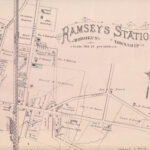
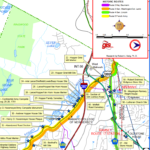
Finch Park didn’t exist back then of course, but the suggestion in the map below, is that Major General Benjamin Lincoln marched through Ramsey. This map appears in the work of historian Robert A. Selig, Ph. D. who completed a historical and architectural survey in 2006 for the New Jersey Historical Trust. His multiple reports mapped the Washington – Rochambeau route in 1781 as they marched to victory in Yorktown over the forces of British General Cornwallis during the Revolutionary War.
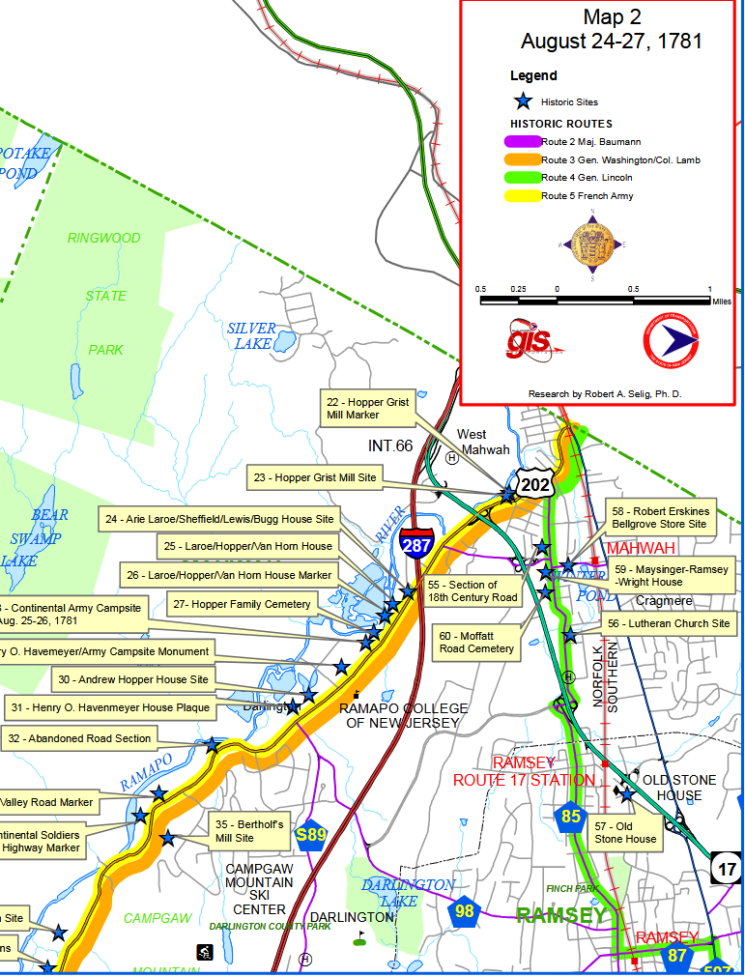
It is of course very difficult to apply a route from 1781 to a modern map, and thus this attempts to connect roads known to exist at the time, such as what are today Island Road which linked to Franklin Turnpike (the King’s Highway).
Major General Benjamin Lincoln
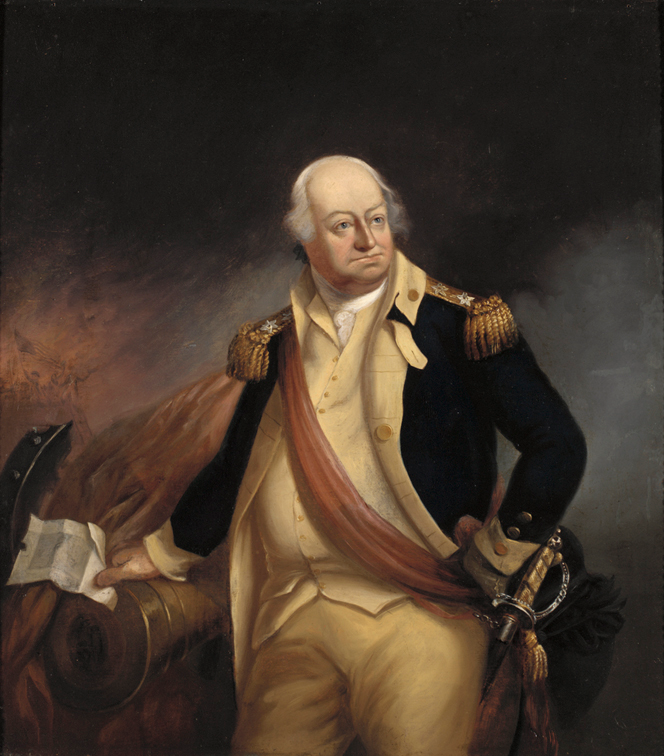
Major General Benjamin Lincoln was a key confidant to George Washington, Lincoln served as the second-in-command during the Yorktown campaign. He is historically unique for being the only officer present at all three major British surrenders: Saratoga, Charleston (where he was forced to surrender), and finally Yorktown. At Yorktown, when Lord Cornwallis’s deputy attempted to surrender to the French, Washington famously redirected him to General Lincoln, allowing Lincoln the honor of accepting the British sword—a symbolic redemption for his earlier defeat. His units were among those navigating the New Jersey roads in 1781, and his presence in the “Jersey Hills” was a staple of Washington’s strategic planning throughout the war’s later years.
The Strategic Context of 1781
The march past Finch Park wasn’t just a relocation; it was a masterpiece of military deception. Washington and the Comte de Rochambeau were attempting to convince British General Sir Henry Clinton that they were preparing for a siege of New York City. By moving troops through the Bergen County corridor, including the “King’s Highway” (Island Road), they maintained the illusion of a looming attack on Manhattan until they were far enough south to make their true destination of Virginia inevitable.
Ramsey, situated between the critical “Clove” (the pass through the Ramapo Mountains) and the encampments at Paramus and Morristown, was likely a path for reconnaissance and supply trains. The Old Stone House was present and operated as a tavern or stopping point during these years, providing a tangible link between the modern landscape of Finch Park and the high-stakes movements of 1781.